Designing a Trustworthy Chatbot for Sensitive Health Topics
A chatbot for sexual health and other taboo topics, where the real design problem wasn't speed or accuracy. It was whether anyone would trust it enough to ask the question at all.
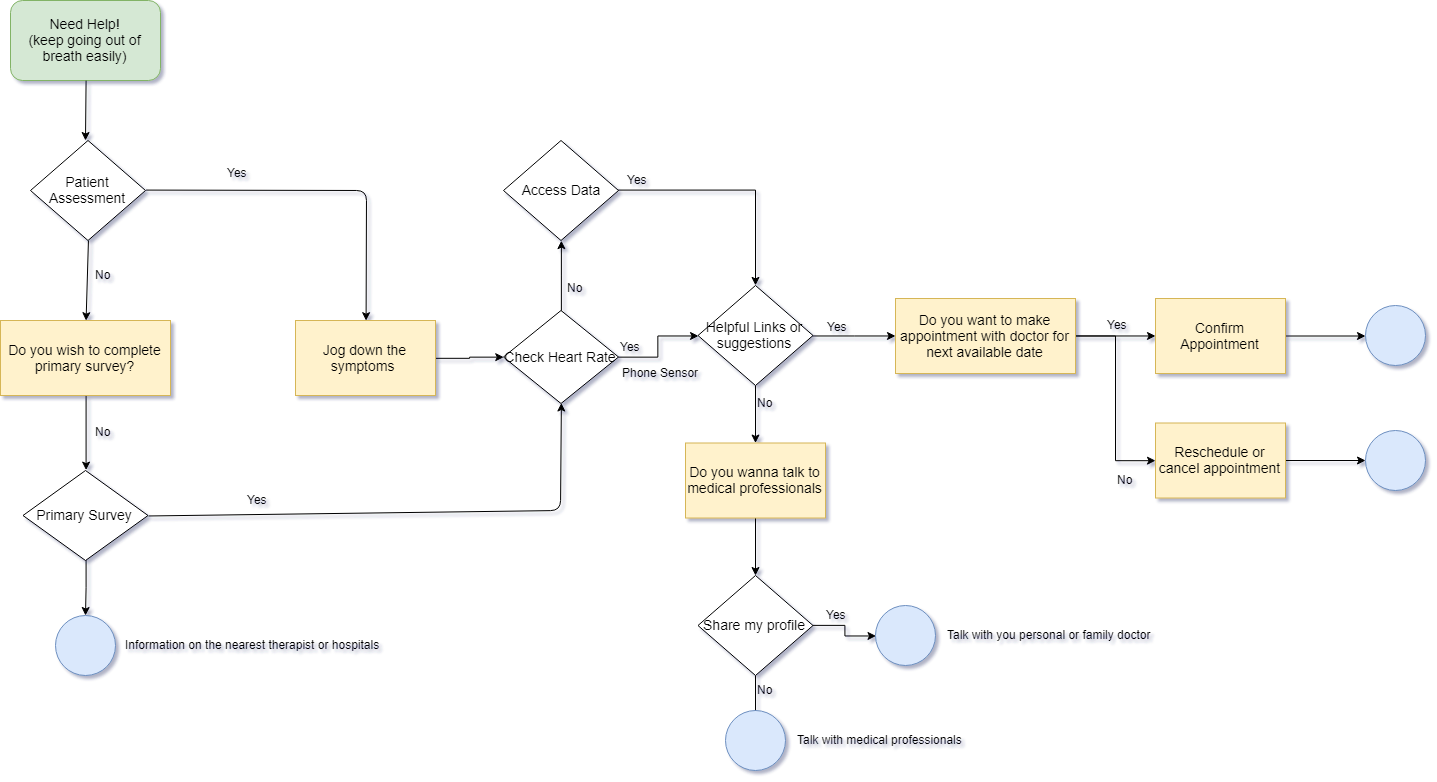
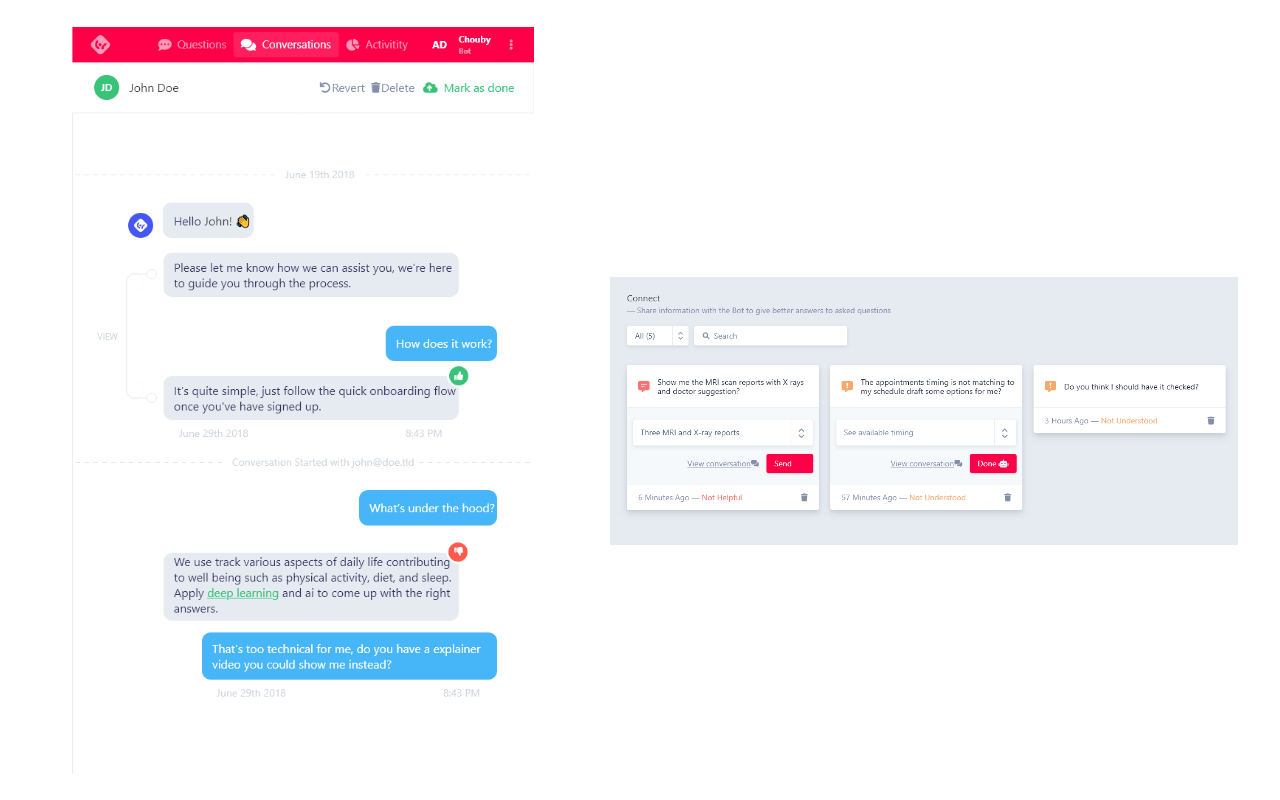
Some questions are easier to type than to say out loud
Chatbots were becoming a normal customer-service pattern, which raised a more specific question: could one make sensitive health information (sexual health, and other topics people are uncomfortable raising with another person) more accessible, without feeling impersonal or unsafe at the exact moment that mattered most?
Testing trust alongside usability
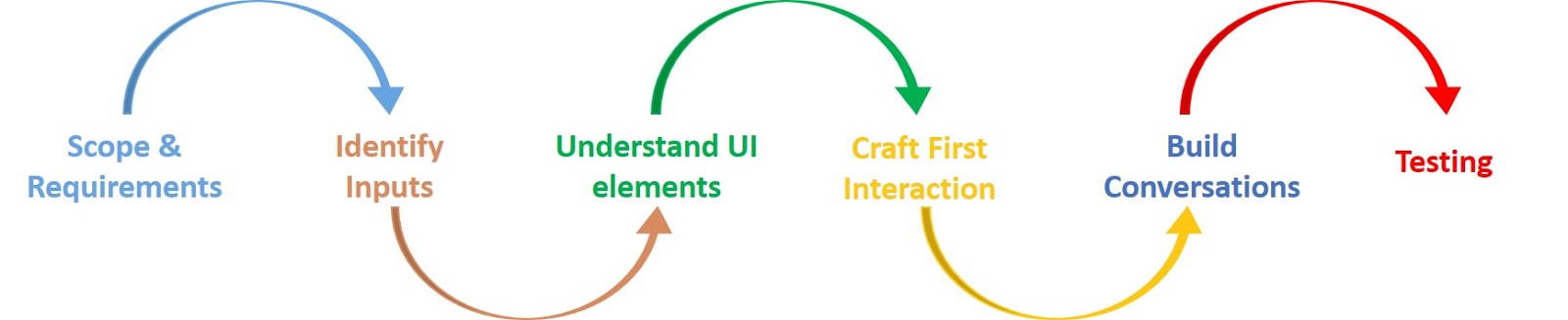
Working solo on both research and design, I tested chat-based interaction with 5 UT Dallas students who’d never used a chat interface before, split across mobile and desktop, covering both human-staffed and bot-driven customer-service scenarios. I followed that with contextual inquiry on low-fidelity wireframes, then iterated toward high-fidelity designs myself based on what came out of those sessions, treating the sessions as a trust audit as much as a usability check.
Speed won people over. Empathy is what they judged it on.
People saw clear value in a bot’s speed, but consistently rated it as less empathetic than a human, and that gap mattered more given the subject matter. It also varied a lot by who was asking: teenagers, pre-teens, men, and women each carried distinct comfort thresholds and privacy expectations around the same set of topics.
"I would know from his behavior if he cares; if I am interacting with a bot I don't know if it's going to take my problem seriously or not." Participant
Designing for privacy first, with a human always one step away
The design combined guided button/carousel input with free-text input for anything the script didn’t anticipate, and was built privacy-first throughout. That resolved into a short set of working rules:
- 01Be upfront it's a bot.
No pretending otherwise, especially given the subject matter.
- 02Don't overpromise the script.
A decision tree shouldn't claim to handle more than it actually can.
- 03Let people show it, too.
Emoji let people express discomfort they might not want to type out directly.
- 04Always leave an escape hatch.
A real person, one step away, at any point in the flow.